
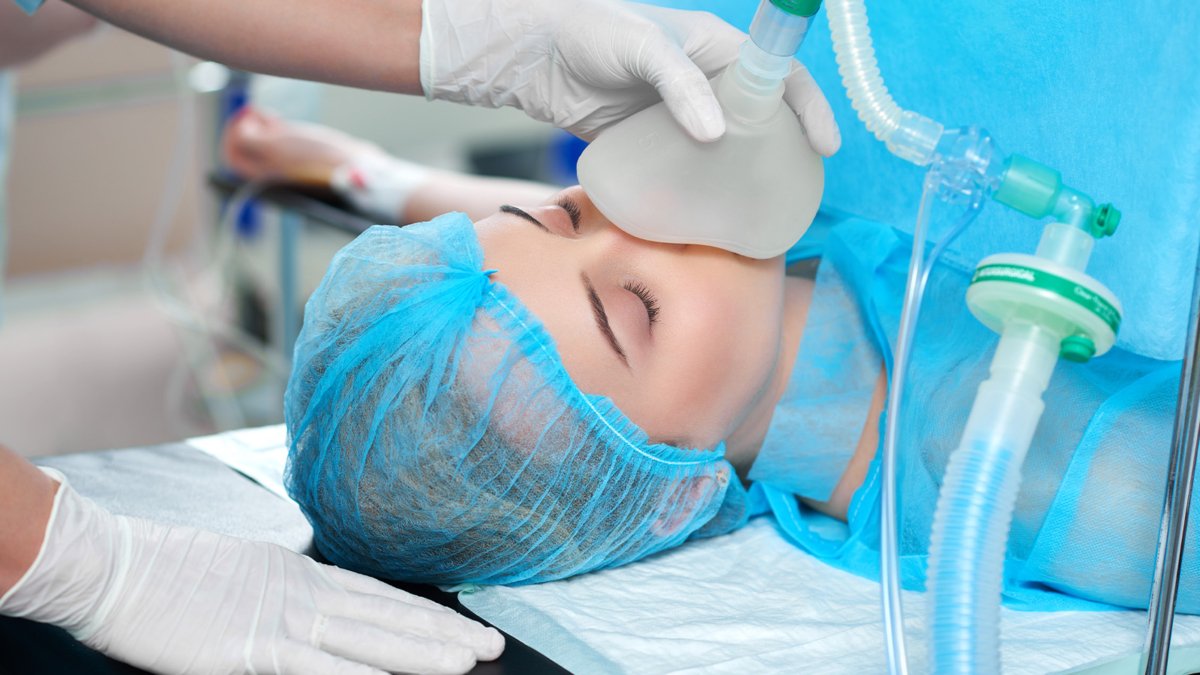
Mauris vehicula efficitur mi, vel sollicitudin lectus vulputate a. Phasellus vulputate nunc libero, eu faucibus sem bibendum in. Aenean mollis quis diam sed cursus. Integer tristique rhoncus sapien vitae semper. Mauris euismod venenatis sem vitae congue.
Duis ullamcorper diam eget porttitor sagittis. Mauris porttitor magna in interdum vestibulum. Integer nec cursus neque. Mauris eu nibh rhoncus, laoreet sapien id, tincidunt turpis. Etiam mattis dapibus laoreet. Vestibulum bibendum tortor vel felis commodo ultrices. In in elit vitae eros suscipit commodo ut tristique erat. Vestibulum vehicula turpis id quam euismod vulputate.
Quisque lacinia, purus non porta malesuada, lectus tortor iaculis odio, nec laoreet massa dui sit amet elit. Sed tempus bibendum nisi eget vehicula. Maecenas quis leo eu augue faucibus aliquam.
Quisque sed pharetra odio, eu consectetur dui. Etiam scelerisque sagittis nunc, a scelerisque lorem. Fusce commodo tempus diam sed hendrerit. In ullamcorper odio eu pretium consectetur.While most surgery is very low risk, and intubation is equally low risk, there are some potential issues that can arise particularly when a patient must remain on the ventilator for an extended period of time. Common risks include:
- Trauma to the teeth, mouth, tongue, and/or larynx
- Accidental intubation in the esophagus (food tube) instead of the trachea (air tube)
- Trauma to the trachea
- Bleeding
- Inability to be weaned from the ventilator, requiring tracheostomy.
- Aspirating (inhaling) vomit, saliva or other fluids while intubated
- Pneumonia, if aspiration occurs
- Sore throat
- Hoarseness
- Erosion of soft tissue (with prolonged intubation)
The medical team will assess and be aware of these potential risks, and do what they can to address them.
Intubation Procedure
Prior to intubation, the patient is typically sedated or not conscious due to illness or injury, which allows the mouth and airway to relax. The patient is typically flat on their back and the person inserting the tube is standing at the head of the bed, looking at the patient’s feet.
The patient’s mouth is gently opened and using a lighted instrument to keep the tongue out of the way and to light the throat, the tube is gently guided into the throat and advanced into the airway.
There is a small balloon around the tube that is inflated to hold the tube in place and to keep air from escaping. Once this balloon is inflated, the tube is securely positioned in the airway and it is tied or taped in place at the mouth.
Successful placement is checked first by listening to the lungs with a stethoscope and often verified with a chest X-ray. In the field or the operating room, a device that measures carbon dioxide—which would only be present if the tube was in the lungs, rather than in the esophagus—is used to confirm that it was placed correctly.
ref:
https://www.verywellhealth.com/what-is-intubation-and-why-is-it-done-3157102
300-136 Market Avenue, Winnipeg, Manitoba, Canada / info@aimic.ca
I wonder if there’s any reason why the same can’t be said for simply staying up later? If it’s about time to do nothing, or to exercise, or to be bored, you would assume the same can be achieved at 1am when you haven’t slept yet as it can at 5am when you’ve just gotten up.I wonder if there’s any reason why the same can’t be said for simply staying up later? If it’s about time to do nothing, or to exercise, or to be bored, you would assume the same can be achieved at 1am when you haven’t slept yet as it can at 5am when you’ve just gotten up.